
Aboveground Storage Tank Bottom Plate Corrosion Detection and Monitoring
Detect Active Tank Floor Corrosion Without Opening the Tank
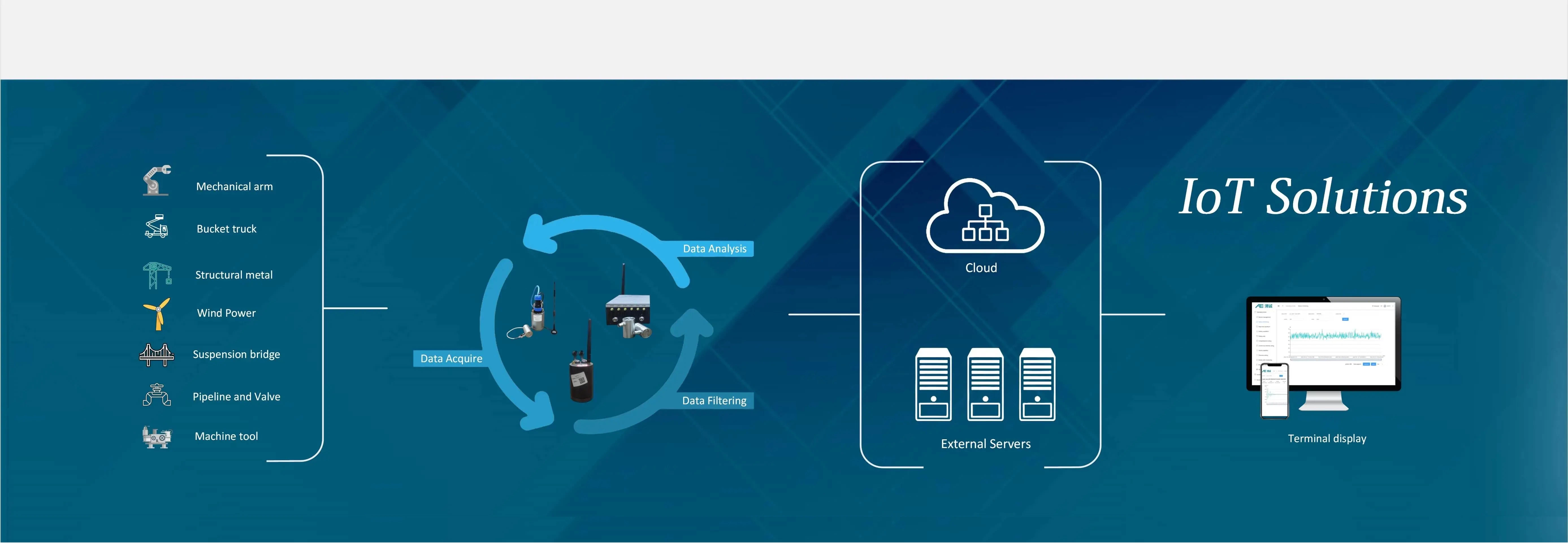
QAWRUMS provides periodic on-site acoustic emission testing solution and online long-term remote monitoring solutions for aboveground storage tank bottom plates.
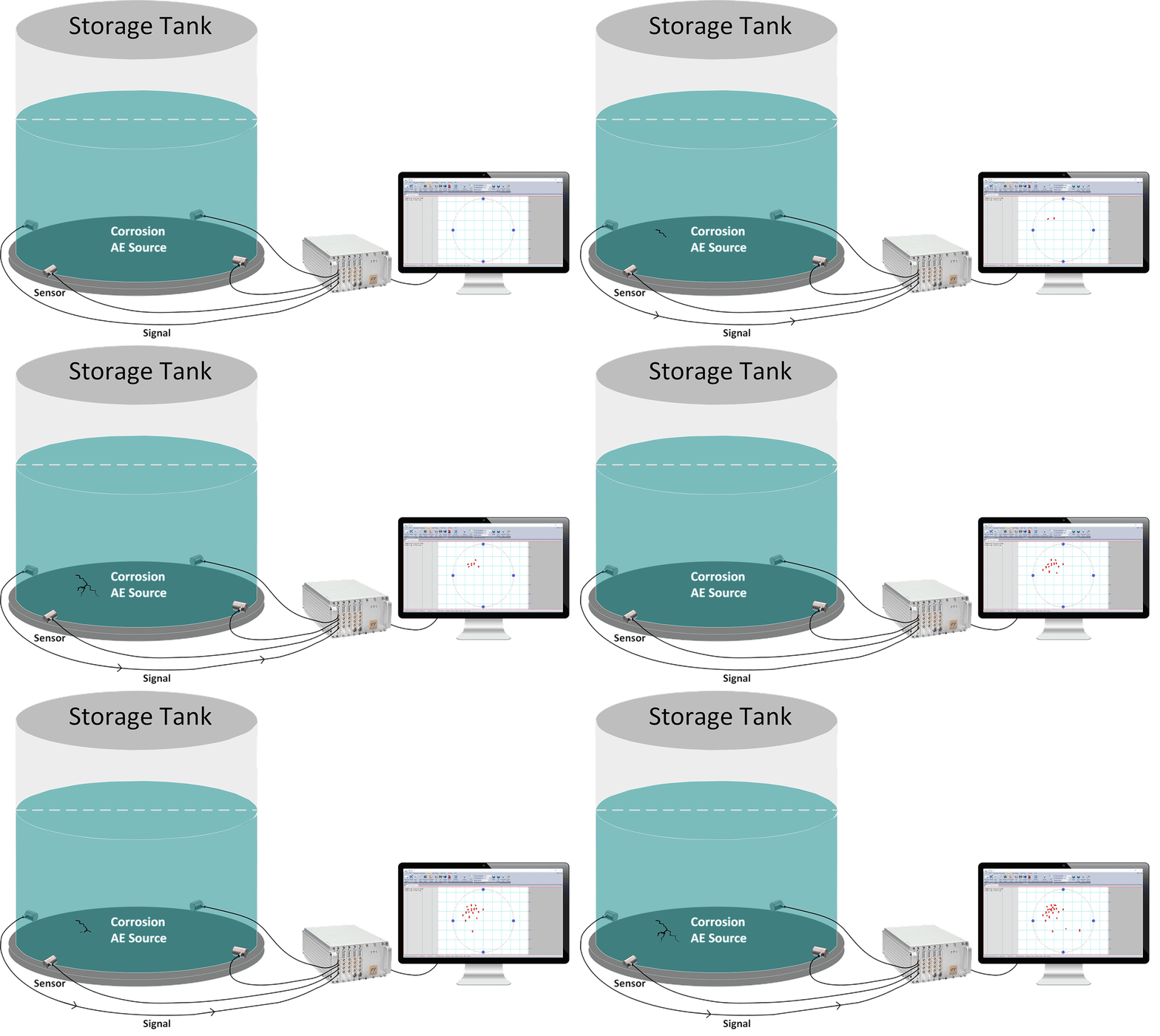
AE sensors installed around the lower tank shell detect acoustic signals generated by active corrosion processes, corrosion-product movement, leakage and other active sources from the tank floor area. The system collects, locates and analyzes these signals to help evaluate tank floor condition, classify corrosion activity and prioritize further inspection or maintenance.
Quick Benefits
- Non-intrusive tank floor condition screening
- Often performed without opening or cleaning the tank
- Detection of active corrosion and leakage-related sources
- Periodic inspection and long-term online monitoring options
- Remote data access and alarm notifications
-Bottom-Plate-Corrosion-Detection-Monitoring_1.png )
Pressure Vessel Monitoring
- Overview
- Solutions
- Data Analysis
- Cases & Resources
Why Monitor Storage Tank Bottom Plate Corrosion?
The bottom plate of an aboveground storage tank is difficult to inspect from outside. Internal inspection normally requires extensive preparation, which may include removing the stored medium, cleaning the tank and arranging personnel access.
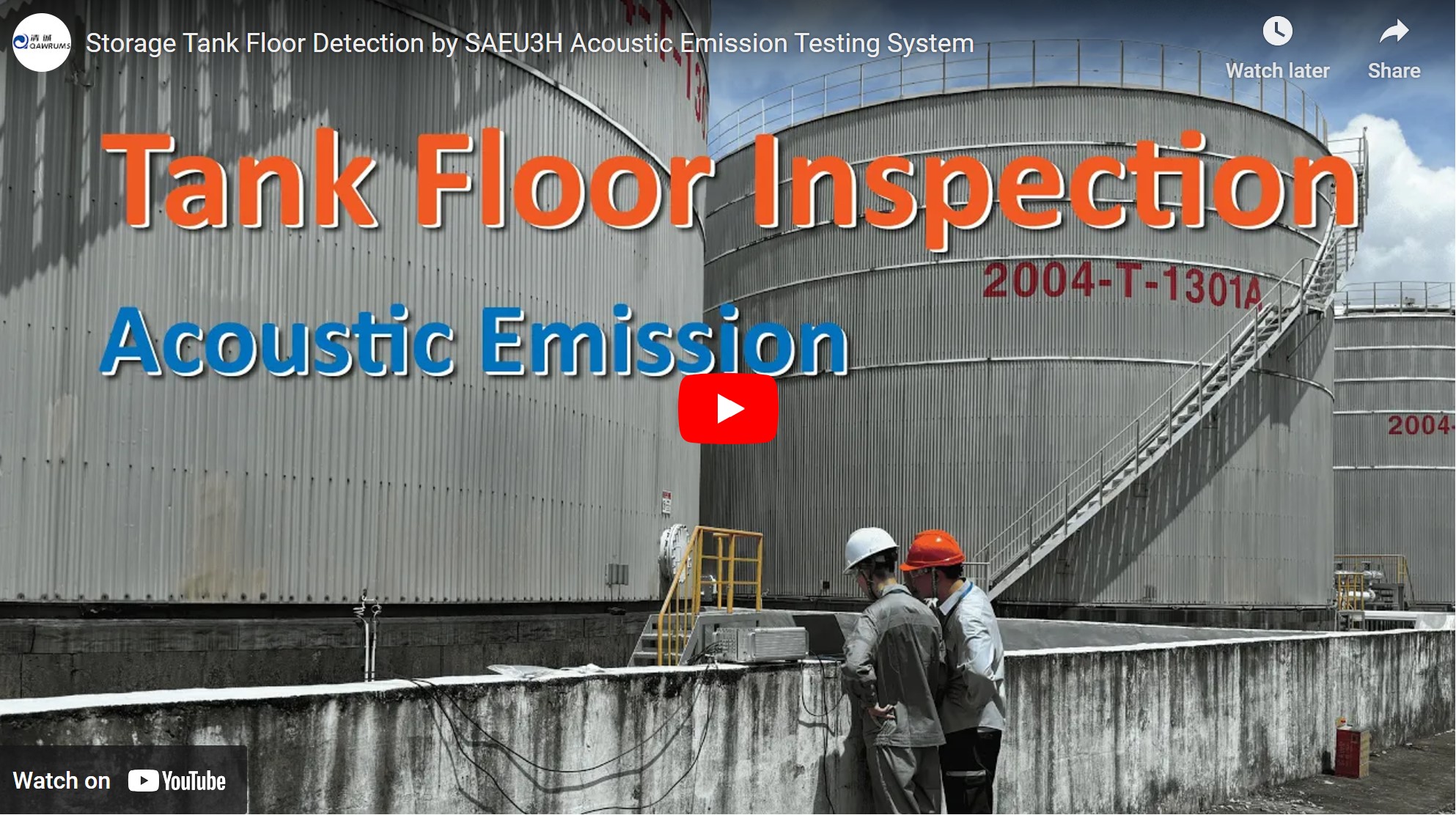
Acoustic emission testing provides a method for screening active tank floor corrosion and leakage-related activity from sensors installed on the external tank shell.
When active corrosion causes corrosion products to crack, detach or move, elastic waves may be generated. Leakage and fluid movement can also produce acoustic signals. These signals propagate through the tank floor, stored medium and tank shell and are received by the sensor array.
The AE system processes the signals and provides information such as:
- Acoustic activity level
- Source distribution
- Concentrated active areas
- Signal intensity and energy
- Corrosion activity classification
- Condition trend over repeated tests
Suitable Tank Applications
The solution can be applied to:
- Aboveground storage tanks
- Atmospheric metal storage tanks
- Low-pressure vertical metal tanks
- Crude oil storage tanks
- Petroleum product tanks
- Chemical storage tanks
- Water storage tanks
- Large flat-bottom metal tanks
- Newly manufactured tanks
- In-service storage tanks
The final applicability should be evaluated according to tank material, pressure, medium, bottom structure, sediment level, operating condition and applicable testing procedure.
What Can AE Detect?
AE testing can help detect or evaluate:
- Active tank floor corrosion
- Corrosion-related acoustic activity
- Leakage-related signals
- Concentrated active source areas
- Changes in corrosion activity over time
- Abnormal tank floor acoustic events
- Selected tank shell (wall panel) crack activity when suitable sensors and procedures are used
Acoustic emission testing of wall panels can detect acoustic emission sources generated by defects and cracks caused by stress increase during loading. Defect and crack locations include the wall panel base material, butt or lap welds of the wall panel, fillet welds connecting the wall panel to the pipes, reinforcing plates, and reinforcing (wind-resistant) rings, etc.
What AE Does Not Directly Measure
AE does not directly measure:
- Remaining bottom plate thickness
- Exact corrosion-pit depth
- Defect dimensions
- Remaining service life as a standalone result
- Completely inactive corrosion
AE is best used as a screening and condition-assessment method. Areas or tanks identified as higher risk can then be prioritized for ultrasonic thickness measurement, magnetic flux leakage inspection, visual inspection or other verification methods.
Applicable Standards
Testing and evaluation procedures may be selected according to the project location, tank design and contractual requirements.
Relevant standards include:
- JB/T 10764-2023, for acoustic emission testing and evaluation of atmospheric metal storage tanks
- ISO 24489:2024, for acoustic emission detection of corrosion at atmospheric and low-pressure metallic storage tank floors
- Other applicable national, industry or customer-specified procedures
Inspection & Monitoring Solutions
Choose the Right Tank AE Solution
QAWRUMS offers different system architectures for periodic inspection and continuous monitoring.
Periodic On-Site Inspection — SAEU3H
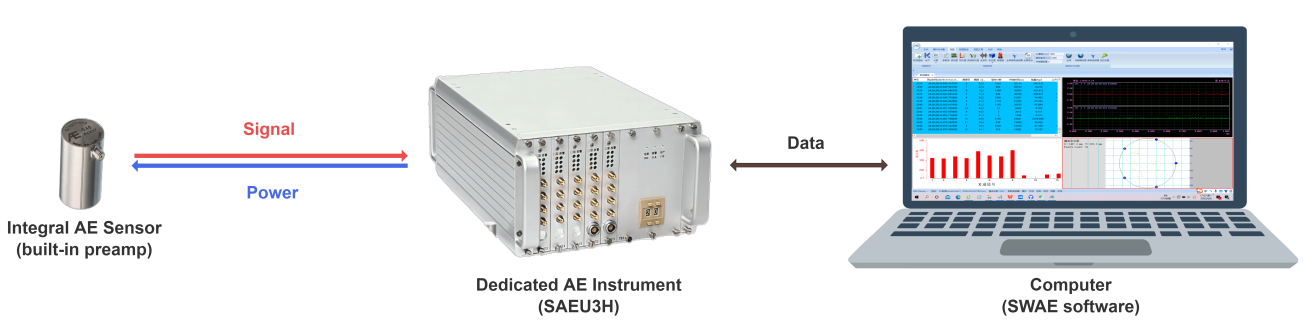
The SAEU3H multi-channel acoustic emission system is recommended for scheduled on-site tank floor corrosion inspection.
The system supports multi-channel acquisition, waveform recording, AE parameter analysis, external process inputs and source location. Different chassis and channel configurations can be selected according to tank diameter and sensor quantity.
Recommended for:
- Periodic tank condition screening
- Multiple tanks inspected by one portable system
- Engineering inspection services
- Projects requiring detailed waveform analysis
- Time-difference or zone-location analysis
- Tests performed by qualified on-site personnel
Centralized Online Monitoring — RAEM1-6
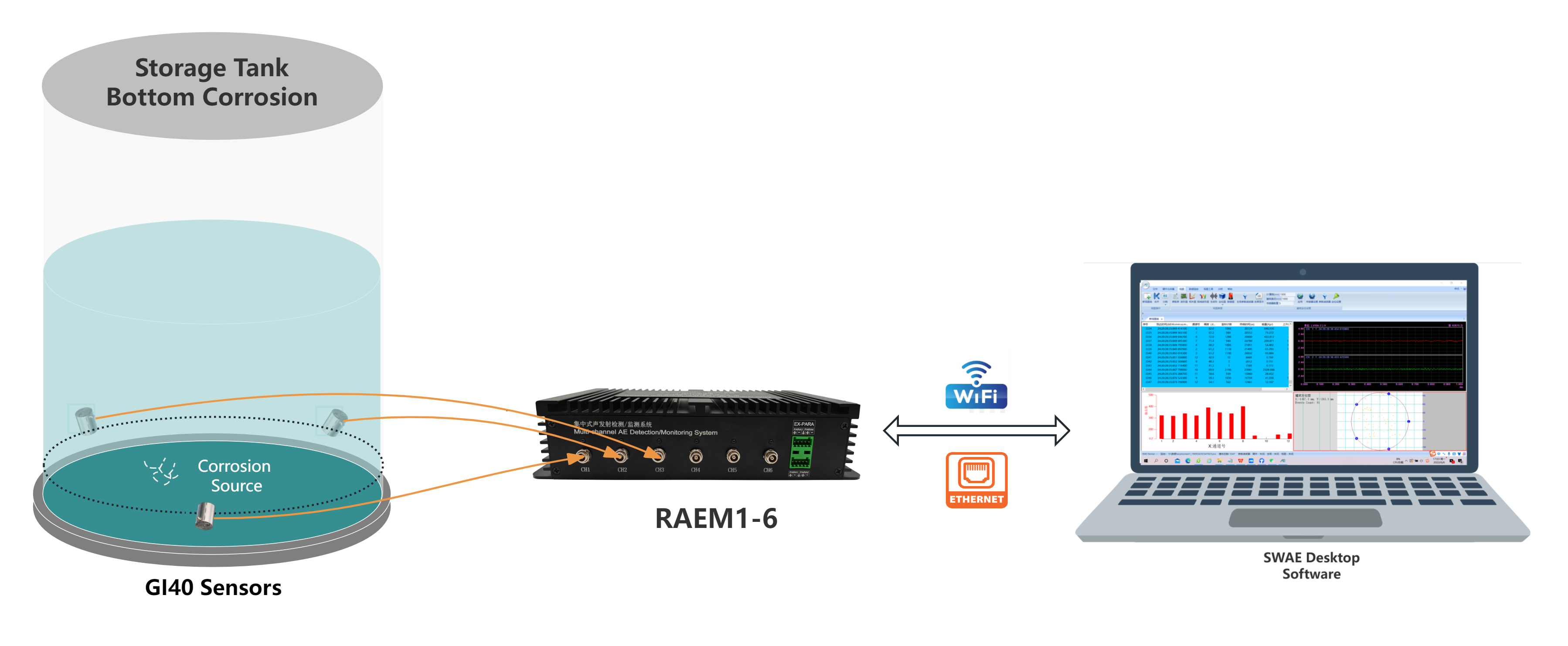
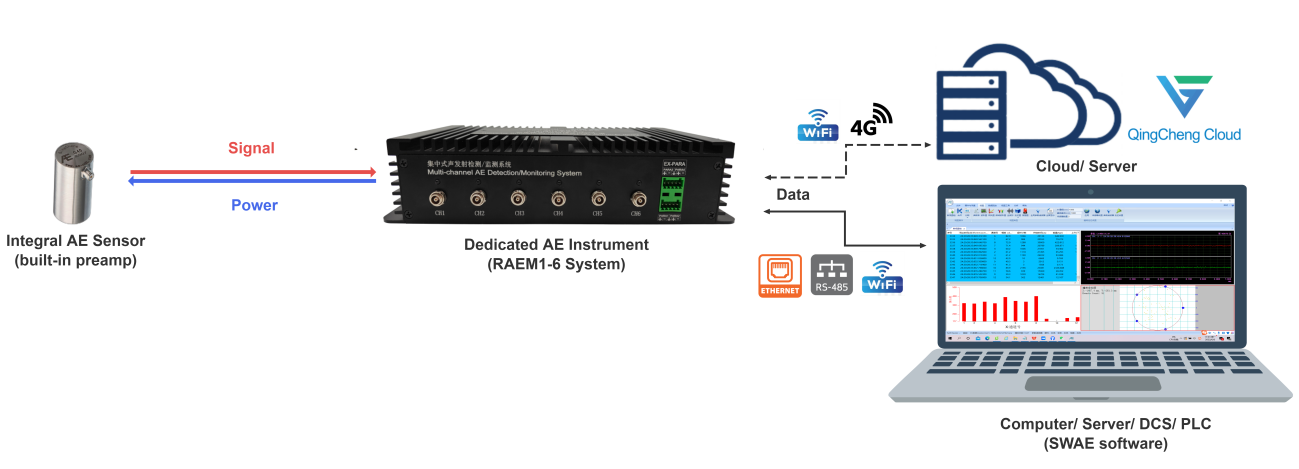
The RAEM1-6 multi-channel system collects signals from multiple external AE sensors and transmits data through network connections to local software, a private server or the cloud platform.
Recommended for:
- Permanent monitoring of one or more tanks
- Centralized sensor wiring
- Continuous or scheduled automatic acquisition
- Remote data review
- Alarm notification
- Long-term corrosion activity trends
Solution Selection Guide
| Requirement | Recommended Solution |
| Periodic local inspection of different tanks | SAEU3H or RAEM1-6 with SWAE software |
| Hybrid of local inspection and remote long term monitoring | RAEM1-6 with SWAE software or QC Cloud |
| Wireless communication, cloud alarm and trend monitoring | RAEM1-6 with SWAE software or QC Cloud |
AE Sensors
Different AE sensors can be selected according to tank material, monitoring defect types, installation positions, frequency range, sensitivity, surface temperature, installation environment and expected signal characteristics.
| Sensor | Detection Defects |
| GI150 | GI150 sensor is recommended for metal tank wall panels. |
| GI40 | GI40 sensor is recommended for tank bottom corrosion monitoring. |
The above sensors are integral sensors that include preamplifier inside. Contact us to help you select or evaluate the suitable sensors for your own project.
Preamplifiers and Cables
Preamplifiers amplify weak AE signals from sensors, while low-noise cables ensure reliable signal transmission in industrial environments. The preamplifier can be built-in the sensor (integral sensors like GI150 or GI40 above) or be external independent component after the general sensor.
Data Analysis & Evaluation
Sensor Arrangement
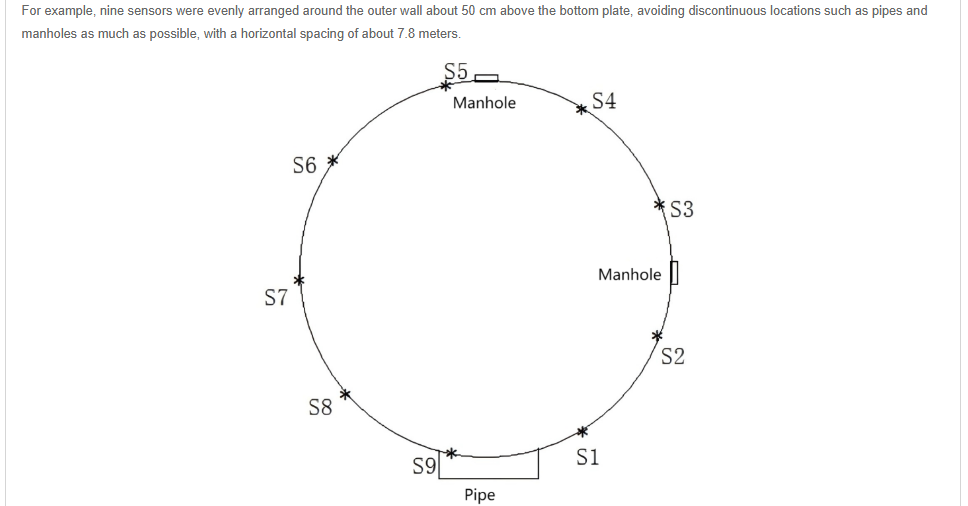
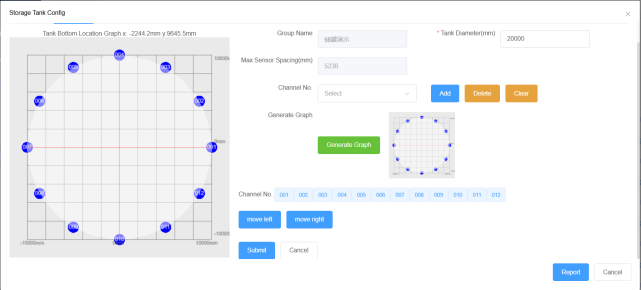
AE sensors are normally arranged around the lower part of the tank shell to receive signals originating from the bottom plate area.
The final sensor number and spacing depend on:
- Tank diameter
- Tank material
- Acoustic attenuation
- Tank bottom structure
- Stored medium
- Sediment level
- Nozzles, manholes and structural discontinuities
- Required source-location method
- Applicable standard or procedure
An on-site attenuation test is recommended before confirming the final sensor spacing.
Sensors should avoid structural discontinuities where practical. The installation height should also consider the internal sediment level and signal propagation conditions.
Data Collection
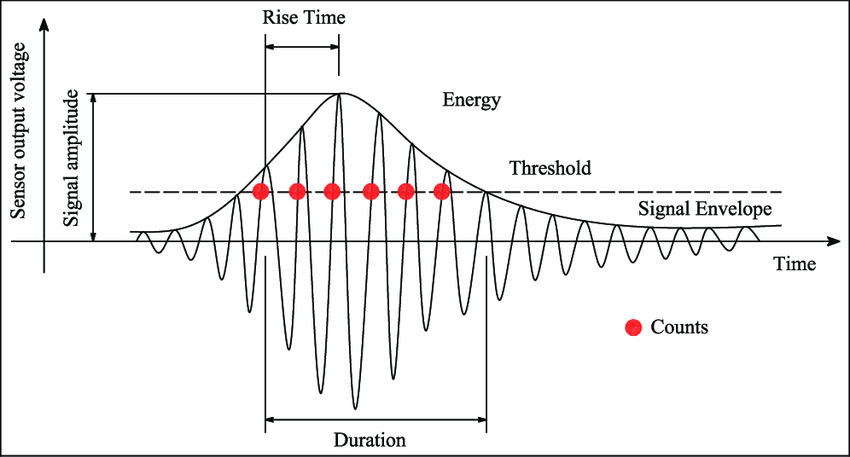
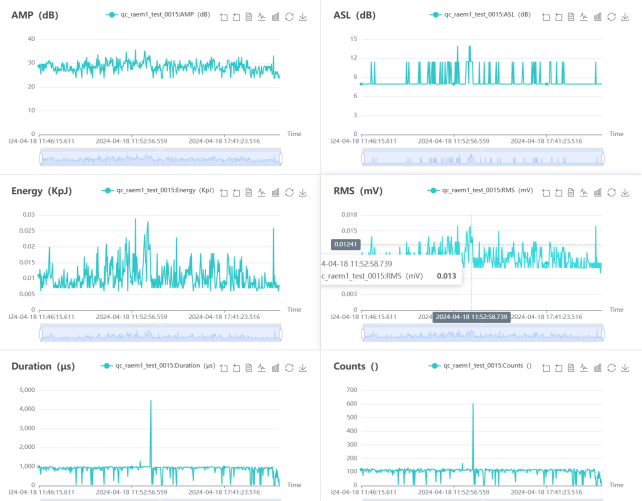
The AE system can collect:
- Arrival time
- Amplitude
- Counts
- Energy
- Duration
- Rise time
- RMS (Root Mean Square)
- ASL (Average Signal Level)
- Frequency parameters
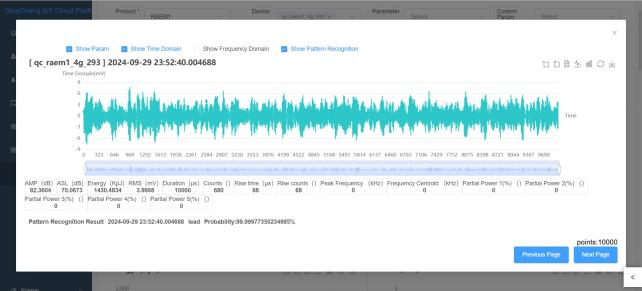
- Original waveform
- External process parameters
Testing may be performed during a defined liquid-level condition, stabilization period or monitoring window according to the selected procedure.
Source Location and Activity Mapping
Two commonly used analysis approaches are:
Time-Difference Source Location
Arrival-timedifferences between sensors are used to estimate the position of acoustic sources on the tank floor.
Zone or Channel-Based Evaluation
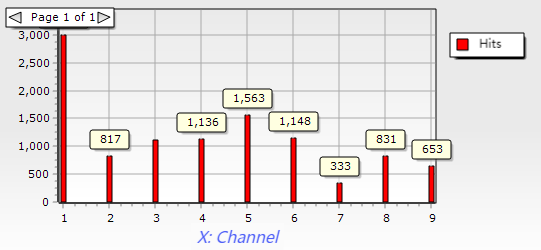
The number and intensity of signals received by individual sensors or sensor zones are compared to identify areas with higher acoustic activity.
The output should be described as an AE source location or activity-distribution map, rather than a direct corrosion-depth map.
Corrosion Activity Evaluation
The analysis can consider:
- Total hits and events
- Event concentration
- Signal amplitude and energy
- Activity per hour
- Repeated source locations
- Channel comparison
- Background noise
- Tank operating condition
- Historical trend
According to the selected evaluation procedure, tanks or active areas can be classified into condition levels and linked with inspection or maintenance recommendations.
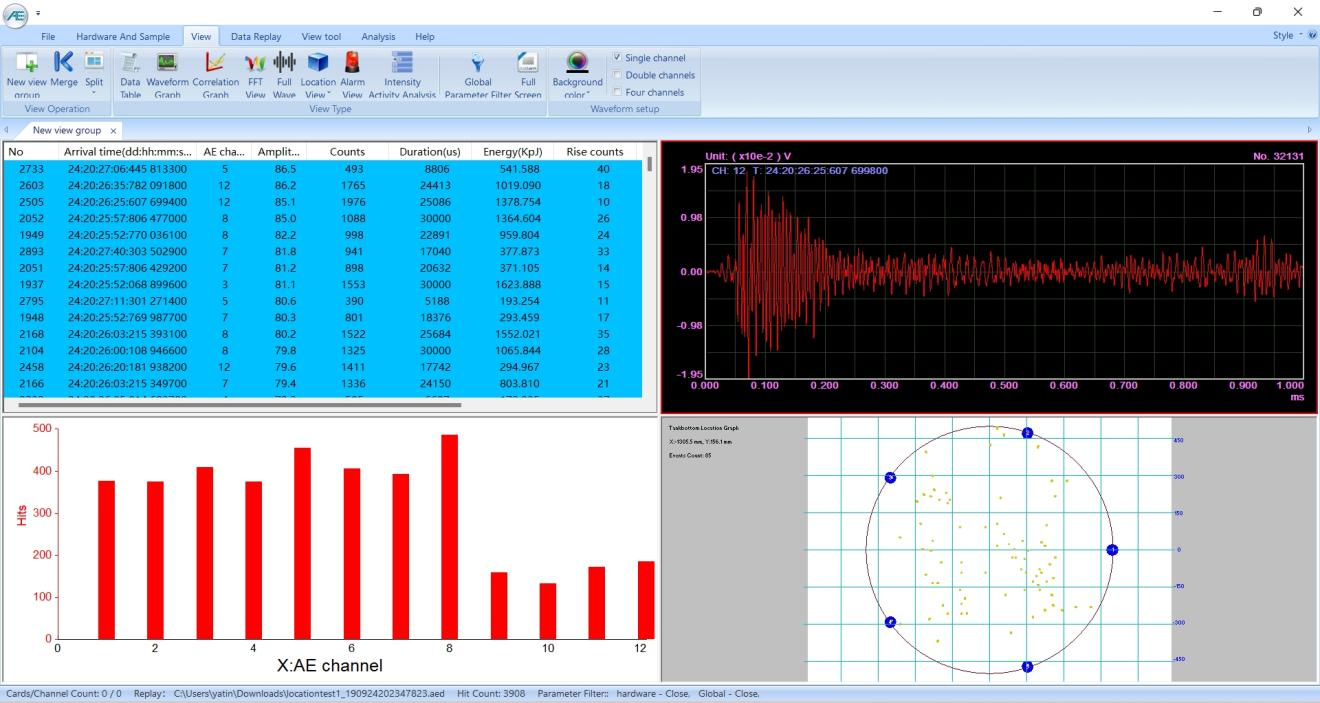
SWAE Analysis Software
SWAE supports real-time acquisition, data playback and post-analysis.
Main functions include:
- Source location maps
- Parameter correlation graphs
- Channel comparison
- Data tables
- Frequency-domain analysis
- Filtering
- Historical data replay
- Waveform analysis
QC Cloud Platform
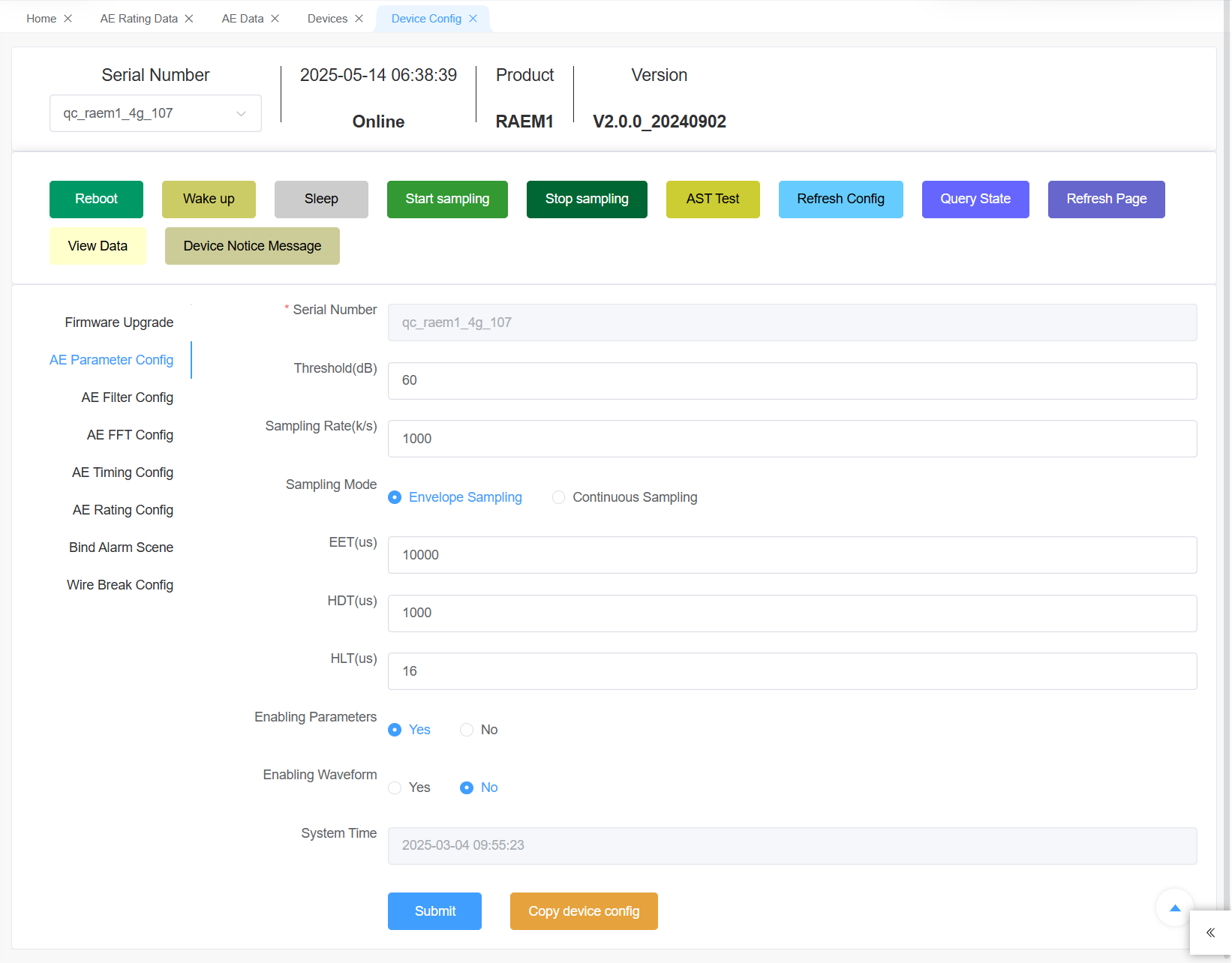
The cloud platform supports:
- Remote parameter configuration
- Real-time and historical data display
- Waveform and parameter review
- Automatic condition rating
- Alarm notification
- Email or SMS alerts
- Data download
Case Studies & Resources
Case 1: CUPET Tank Bottom Inspection Training
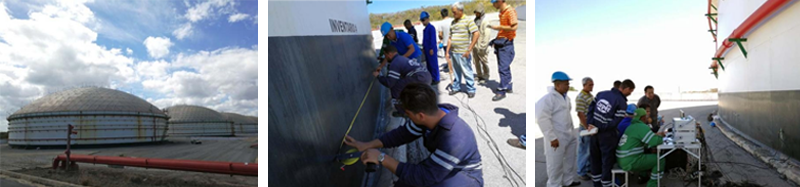
A multi-channel acoustic emission system was used to inspect storage tanks in the Matanzas Port tank area in Cuba.
The sensor quantity and spacing were designed according to tank circumference and test conditions. AE results were used to support the planning of subsequent internal inspection and future periodic assessment.
Case 2: Special No. 1 Joint Station
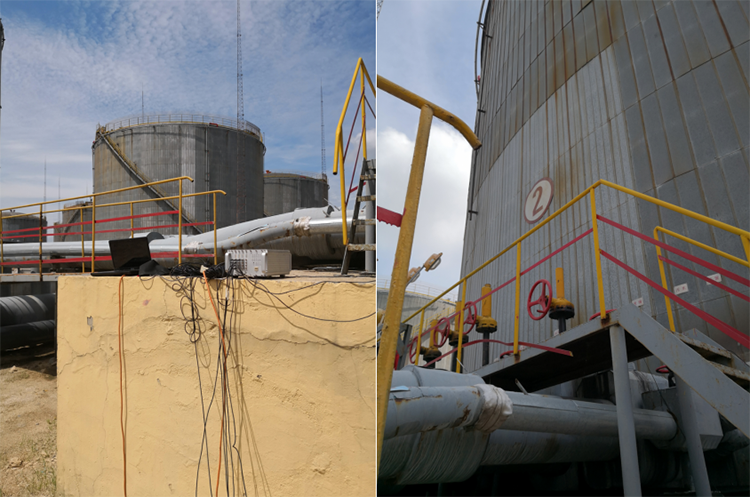
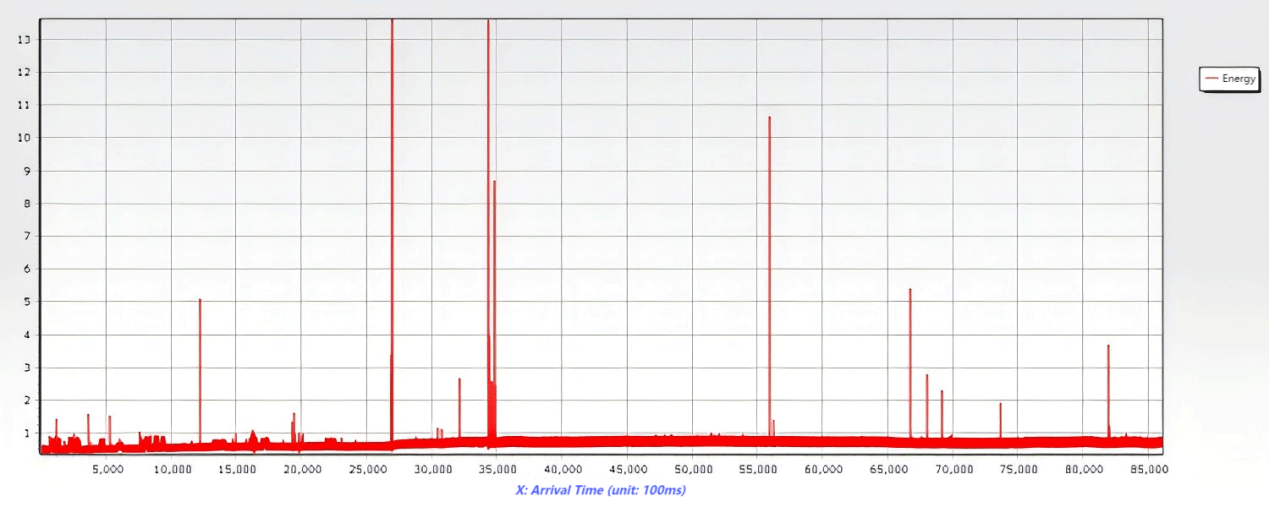
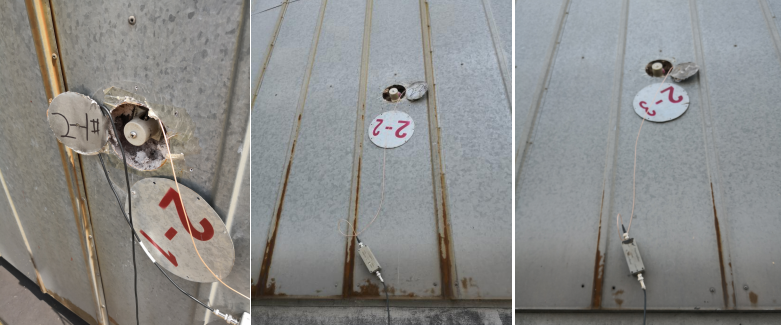
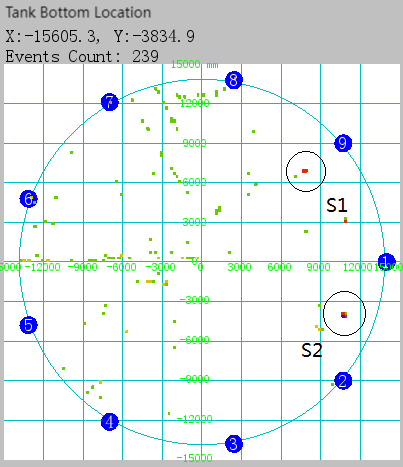
Nine sensors were installed evenly around the lower external shell of a crude-oil storage tank while avoiding manholes, pipes and other structural discontinuities.
The system collected acoustic emission data during the defined monitoring period. Channel activity, energy distribution and time-difference source-location results were analyzed to identify concentrated source areas and evaluate the tank floor corrosion activity level.
Additional Storage Tank Projects
- Zhongyuan Oilfield 20,000 m³ storage tank
- Storage tank bottom inspection training and verification projects
- Periodic and online monitoring projects using SAEU3H and RAEM1-6
 Detailed Storage Tank AE Monitoring Scheme.pdf
 Storage Tank Floor Detection Video
 SAEU3H Product Information
Contact Form
Please complete the form below to request your quote. We will be in contact as soon as possible.