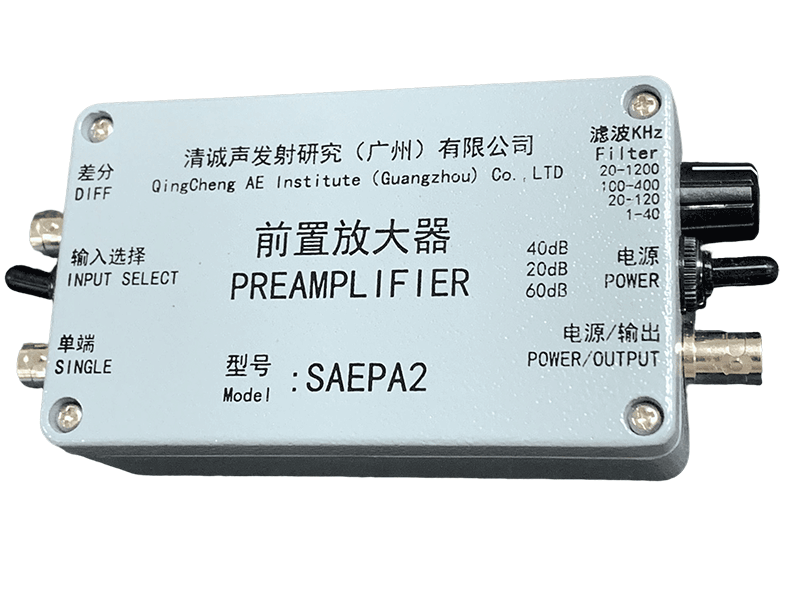
Acoustic Emission Preamplifiers for AE Sensors

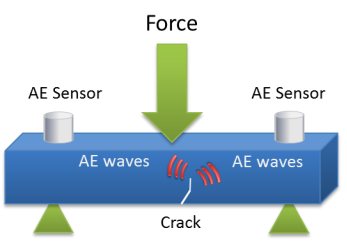
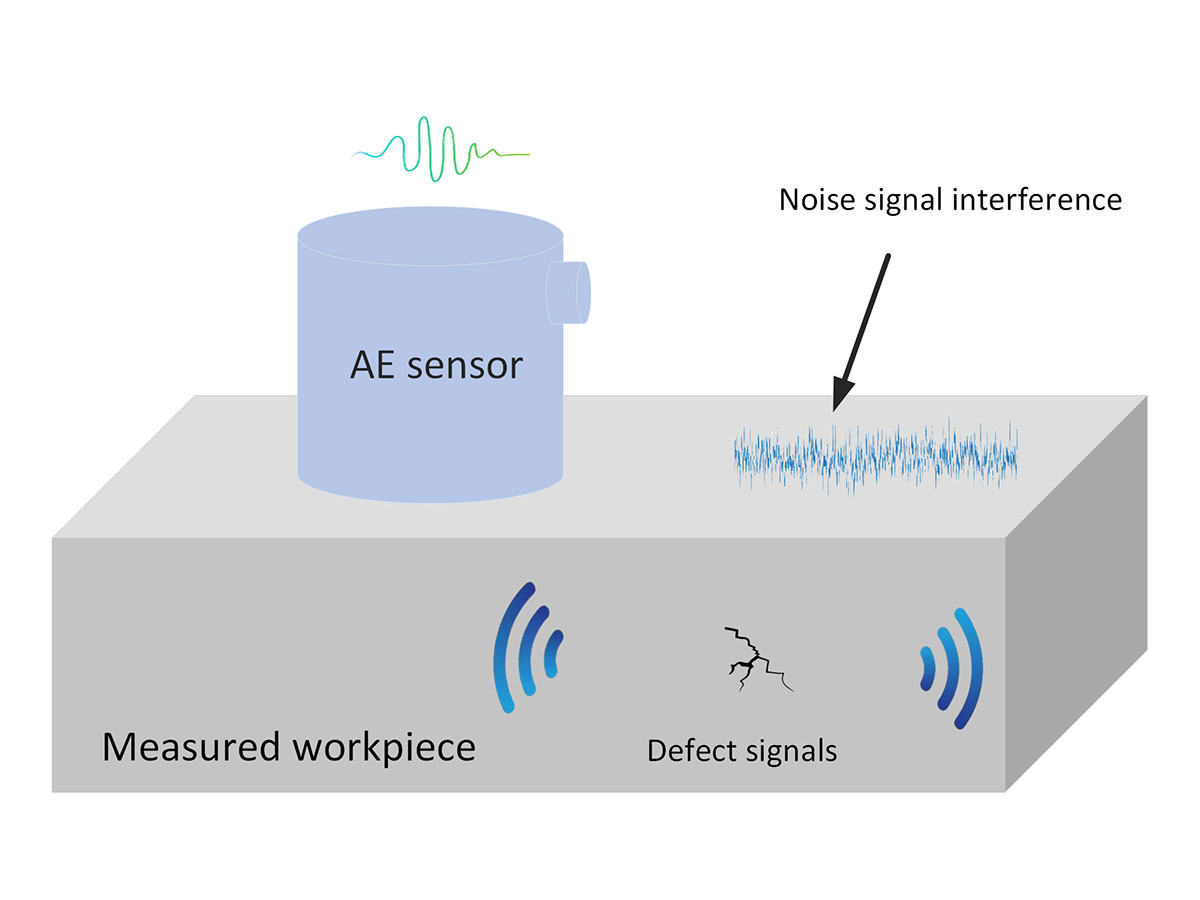
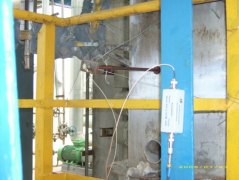
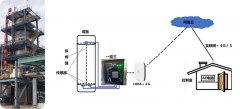
Acoustic emission sensors usually output very weak analog voltage signals. When the sensor is installed far from the AE acquisition system, the signal may attenuate or be affected by electromagnetic noise during cable transmission.

The acoustic emission preamplifiers amplify and condition AE sensor signals before acquisition. They are available with fixed or selectable gain, analog filter options, phantom power supply, AST function, single-ended or differential input, and rugged metal housings for laboratory testing and field monitoring.

Why do we have to use a preamplifier sometimes?

The voltage signal output from the acoustic emission sensor can sometimes be as low as a few microvolts. However, such weak signals will inevitably experience attenuation if transmitted over long distances. To address this issue, the original sensor signal needs to be amplified several times before transmission. The commonly used amplification factor is 40 dB, and the signal is then transmitted to the signal acquisition unit via high-frequency coaxial cables. The AE preamplifier is an analog circuit that takes the voltage signal output from the acoustic emission sensor as input and outputs an analog signal after amplification.The acoustic emission preamplifier needs to have impedance matching and transformation functions. To prevent the input signal from being too large and causing interference, it should also have protection against electrical shocks and the ability to recover from blocking phenomena. Additionally, it should have a relatively large output dynamic range.

QingCheng AE Institute offers an entire line of acoustic emission preamplifiers, which is compatible with most common acoustic emission sensors and acoustic emission acquisition boards from various manufacturers. If you are not sure which acoustic emission preamplifier you need, contact us so we may assist you.

Product Comparison

Model Best For Gain Filter Input Power Supply Housing / Installation
PAS3 Universal AE testing, field monitoring, applications needing flexible gain/filter settings 20/40/60 dB; with attenuation options 5–50 kHz, 5–160 kHz, 80–480 kHz, 5–1200 kHz Single-ended / differential Phantom power or external DC Metal housing, optional magnetic base, IP65
PAV Compact standard AE preamplifier for common sensor setups Fixed 40 dB None Single-ended Phantom power Compact metal housing, BNC-BNC, IP62

Not sure which preamplifier matches your AE sensor, cable length, acquisition system or test frequency range? Send us your sensor model, cable length, expected AE frequency range and acquisition unit input specification.

How to Choose an Acoustic Emission Preamplifier

1. Gain

40 dB is commonly used for many AE measurements, but low-amplitude signals, long cable transmission or special test conditions may require selectable gain. PAS3 is more flexible when different gain settings are needed, while PAV is suitable for standard fixed 40 dB applications.

2. Filter Options

Analog filters help reduce unwanted low-frequency vibration, electrical interference or out-of-band noise before the signal reaches the AE acquisition system. PAS3 is more suitable when selectable filters are required.

3. Power Supply

Phantom power is convenient because power and signal use the same cable. External DC power can be useful when the preamplifier is connected to non-AE devices such as oscilloscopes or general DAQ systems.

4. Single-ended or Differential Input

Most AE sensors use single-ended output. Differential input can be useful when using differential AE sensors or when better noise rejection is required in harsh electromagnetic environments.

FAQ

Q1: What does an acoustic emission preamplifier do?

An acoustic emission preamplifier amplifies the weak analog voltage signal from an AE sensor before the signal is transmitted to the acquisition system. AE signals can be very small, sometimes at microvolt level, and may attenuate over long cable distances. A preamplifier improves signal transmission, helps maintain signal quality and may also provide filtering, impedance matching, sensor testing or protection functions depending on the model.


Q2: Do all AE sensors need a preamplifier?

Not always. Some AE sensors have a built-in preamplifier, and some short-cable laboratory setups may not require an external preamplifier. However, external AE preamplifiers are often used when the sensor output is weak, the cable is long, the environment is noisy, or the acquisition system requires a conditioned input signal.


Q3: Is 40 dB gain enough for acoustic emission testing?

40 dB is a common gain setting for many AE applications. However, the best gain depends on sensor sensitivity, source intensity, cable length, background noise and acquisition system input range. A selectable-gain preamplifier such as PAS3 is useful when different test conditions require different signal levels.


Q4: What is phantom power for an AE preamplifier?

Phantom power means the preamplifier receives power through the same signal cable connected to the AE acquisition system. This reduces wiring complexity and is convenient for field installations. When the preamplifier is connected to an oscilloscope or general DAQ instead of a professional AE system, an external power supply or power supply unit may be required.


Q5: What is AST in an AE preamplifier?

AST means Automatic Sensor Testing. It allows the system to send a test signal to check whether the sensor, cable and channel are properly connected and working. This is useful in multi-channel AE testing and long-term monitoring, especially when sensors are installed in locations that are difficult to access.


Q6: How do I choose between PAS3 and PAV?

Choose PAS3 when you need selectable gain, multiple filter ranges, differential input, external power option or more flexible field configuration. Choose PAV when you need a compact fixed 40 dB phantom-powered preamplifier for standard AE sensor setups. If you are not sure, send your sensor model, cable length, test object and acquisition system information for compatibility checking.

Who We Are

Leading supplier in China of Acoustic Emission sensors, amplifiers, equipment, systems, software, and other NDT products.

QingCheng Ltd is an ISO 9001:2015 non-destructive testing systems and condition monitoring solutions manufacturer and global supplier. We have been committed to acoustic emission detection and monitoring in NDT industry for more than 20 years. Qingcheng manufactures instruments and systems of acoustic wave (acoustic emission), vibration and ultrasonic technologies for condition monitoring, non-destructive testing and other application fields. One of our missions is to provide unattended high quality and reliable online condition monitoring systems and solutions for predictive maintenance of valuable industrial assets for the world.

Contact

Hotline:+86-20-32290092Cel:+86 19128609186WeChat/Whatsapp:+86 19128609186Email: sales2@ae-ndt.comSkype:jessicajia

9:00-18:00 (UTC+8)

Follow Us

YouTube

Linkedin

Facebook

© Copyright 2024 aendt.com All rights reserved. Privacy Policy